
Dormant Grass Myths Debunked: What Homeowners Get Wrong About Winter Lawns
When temperatures drop, many homeowners see their lawn turn brown and assume it has died. However, dormant grass is not dead. Instead, grass enters a natural resting phase that allows it to survive cold weather, drought, and seasonal stress. Because there are so many misconceptions about this process, homeowners often take steps that slow spring recovery. This guide explains the truth about dormancy, clears up misleading myths, and answers common questions homeowners ask during the winter months.
Why Grass Goes Dormant in Winter
Dormancy begins once soil temperatures fall below the point where turf can grow effectively. The plant slows its activity, focuses on protecting the crown, and stores energy in the root system. As a result, growth stops and the lawn changes color, but the turf remains alive. This process protects the grass from freezing temperatures, dehydration, and heavy winter stress.
This seasonal pause is essential for long-term health because the turf conserves carbohydrates. These reserves allow the lawn to recover quickly once the weather warms up. Understanding this cycle prevents unnecessary worry when the lawn fades in color.
Is Dormant Grass Dead?
Many homeowners struggle to tell the difference between dormant turf and dead turf. Even though both look brown, their structure reveals the truth. A patch of winter turf that remains rooted is still alive. Dead grass lifts easily and often crumbles when pulled. Because the lawn changes appearance in cold weather, relying on color alone leads to confusion. Recognizing the signs of healthy grass in dormancy helps homeowners avoid unnecessary winter treatments.
Myth: You Should Fertilize Dormant Grass
Many homeowners assume fertilizer will help grass survive winter, but the opposite is true. During dormancy, the turf cannot absorb nutrients. Fertilizer applied at this time often washes away or remains unused. Instead, the correct strategy is to fertilize before the winter lawn slows its growth. When done early, the nutrients strengthen the roots and support better spring recovery. Another application in spring helps the turf transition back into active growth.
Myth: Winter Turf Needs Heavy Watering
A lawn in dormancy requires far less water than a growing lawn. Some homeowners water heavily because the turf looks dry, but this does more harm than good. Excess water increases the risk of disease and ice damage during cold snaps. Only water during unusually long dry periods, especially in areas without snow cover. This balanced approach protects the lawn without overwhelming it.
Myth: You Should Reseed in Winter
Cold soil temperatures prevent seed germination, so reseeding during winter delivers no results. Cool-season lawns in the Midwest respond best to seeding in late summer or early fall. Warm-season lawns in Texas should be seeded in late spring or early summer. When homeowners reseed during the correct window, grass establishes faster and fills in more evenly.
What a Winter Lawn Actually Needs
Your winter turf requires only a few key steps to stay healthy. Before temperatures fall, set your mowing height correctly. Turf cut too short becomes stressed, while grass left too long may mat under snow or retain moisture. Clearing leaves and debris helps air move through the turf canopy and prevents disease.
Limiting foot traffic is also essential. A lawn in dormancy becomes more fragile. Heavy foot traffic compacts the soil and damages the crown, which delays recovery once spring arrives. With just a few simple steps, the lawn stays protected throughout winter.
Texas vs. Midwest: Why Dormancy Looks Different
Dormancy behaves differently depending on climate and grass type, which is why homeowners in Texas and the Midwest notice very different winter lawn conditions.
Warm-season grasses dominate Texas. Bermuda, Zoysia, and St. Augustine enter dormancy during colder weather, but they often appear tan instead of completely brown because winters are milder. Some areas of the yard may show deeper dormancy than others due to shade or soil conditions.
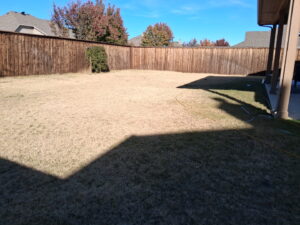
Cool-season grasses dominate the Midwest. Kentucky Bluegrass, Ryegrass, and Fescue enter a deeper, more complete dormant state. These lawns often turn fully brown and remain that way until soil temperatures rise in spring. Although the change looks dramatic, it is normal and healthy for cool-season turf.
Understanding the grass type and climate helps homeowners avoid unnecessary concern when the lawn changes color.
Highly Searched Questions About Dormant Turf
Homeowners research winter lawn issues frequently, especially when the grass changes appearance.
How long does dormant turf last?
Dormancy continues until soil temperatures stay above 50 to 55 degrees for several consistent days.
Will winter turf turn green again?
Yes. Once temperatures rise, healthy turf greens up within a few weeks.
Does a winter lawn need water?
Only during long dry periods without precipitation. Most lawns receive enough moisture naturally.
How do I tell dormant turf from dead turf?
Dormant turf stays firmly rooted. Dead grass pulls up easily and usually feels brittle.
Should you mow during dormancy?
No. Mowing should occur before dormancy begins. Winter mowing stresses the turf and risks crown damage.
Can grass in dormancy die if winter lasts too long?
Prolonged drought, severe cold, or ice cover can cause injury. However, healthy turf usually survives typical winter conditions.
Why does my lawn turn brown in winter but green again in spring?
The brown color is part of the dormancy cycle. The turf resumes photosynthesis once temperatures increase.
Does dormancy protect roots from freezing weather?
Yes. Dormancy helps the plant focus energy on root protection and survival.
These questions improve search relevance and help homeowners understand their seasonal turf.
How Dr. Green Services Supports Lawns Before and After Dormancy
Dr. Green Services prepares lawns for dormancy by building strong roots before winter. Our certified technicians apply fall treatments that help turf store energy, reduce thatch, and improve airflow. We also monitor soil conditions in both Texas and the Midwest, since drought and temperature patterns vary widely between regions. Once spring arrives, our early-season treatments help the lawn exit dormancy quickly and evenly.
Because each lawn responds differently, our approach changes based on region, grass type, and local climate. This tailored strategy gives homeowners confidence that their yard will recover smoothly once warmer weather returns.
Give Your Lawn the Best Chance for Strong Spring Growth
Dormancy is a temporary phase, yet the steps taken before and during winter have lasting effects. When homeowners understand how dormancy works and follow the right practices, the lawn recovers faster and looks healthier in spring. Dr. Green Services provides expert guidance and seasonal care that support winter turf from the start of dormancy through full spring green-up.
About the Author
All content published by Dr. Green Services is written and reviewed by licensed lawn care experts who bring over 40 years of professional experience to every recommendation. Our Editorial Team includes certified lawn technicians and regional specialists across Illinois, Indiana, and Texas, ensuring every article is science-based, locally relevant, and results-driven.
Our licensed experts review each post to confirm that recommendations match regional turf types, soil conditions, and seasonal timing. Learn more about our licensed team and experience.
This content is reviewed by Ryan Van Haastrecht, James Tatum, Kenneth Florman, and Marc Harris, who collectively lead Dr. Green Services’ licensed operations across three states:
-
Ryan Van Haastrecht, President/Owner – Licensed in Illinois, Indiana, and Texas for lawn and pest control. Graduate of Queen’s University with an MBA from Wilfrid Laurier University.
-
James Tatum, Director of Operations – Licensed by the Texas Department of Agriculture and graduate of Texas Tech University.
-
Kenneth Florman, Vice President – Licensed by the Illinois Department of Agriculture and the Office of the Indiana State Chemist, holding Operator’s, Mosquito, and Applicator Licenses.
-
Marc Harris, Operations Manager – Licensed in Illinois and Indiana for lawn and pest control, with over 10 years of field experience.
Together, this team ensures every blog post reflects verified lawn care expertise, technical accuracy, and the hands-on experience that defines Dr. Green Services’ trusted reputation.

Request Your Free Quote

Let the Local Experts Handle Your Lawn Care!
Sign up for the Very Best Lawn Care plan from Dr. Green Services and get everything your lawn needs to be lush, green, healthy, and weed-free! This all-inclusive package includes season-long slow-release fertilizer, guaranteed weed and grassy weed control, PLUS free liquid aeration, free grub control, free fungicide, and free turf-damaging insect control. As the local lawn care experts, Dr. Green Services also specializes in mosquito control and exterior pest control, keeping your yard safe, enjoyable, and pest-free all season long. Contact us today for a free quote and start enjoying the best lawn care service around!
Hear What Our Happy Customers Have to Say!
For a Limited Time
Get Started Today and Enjoy Our Special Offer: Free Grub Control, Free Aeration, Free Fungicide, and Free Turf-Damaging Insect Control! Plus, Save 10% When You Prepay!
Your Local Lawn Care Experts
At Dr. Green Services, we are dedicated to providing outstanding lawn care, mosquito control, and tree & shrub care in the Chicagoland, Dallas-Fort Worth, and Northwest Indiana areas. With decades of experience, our certified technicians understand the local climate and soil conditions, allowing us to offer tailored treatments that ensure your lawn thrives.
We believe in delivering the best results, from maintaining vibrant green grass to eliminating pesky mosquitoes. Our commitment to customer satisfaction drives us to go the extra mile for your lawn, transforming it into a beautiful, healthy space for you and your family to enjoy.
Join countless satisfied customers who trust Dr. Green Services. Experience the difference of a professional lawn care service that prioritizes your needs and keeps your outdoor space looking its best all season long!