
Cutworms in Your Lawn: Identify, Prevent, and Treat
Cutworms in your lawn can quickly become a serious problem, causing significant damage if not dealt with promptly. These pests are notorious for feeding on grass and plants, leading to unsightly brown patches that can affect the overall health of your lawn. We will cover everything you need to know about cutworms, including how to identify them, their life cycle, the damage they cause, prevention tips, and how to treat them effectively. We’ll also explain why DIY methods often fall short and how Dr. Green Services can help keep your lawn safe from cutworms and other turf-damaging insects.
What Are Cutworms in Your Lawn?
Cutworms are the larvae of certain moth species, particularly those in the Noctuidae family. They earned the name “cutworms” because they feed by cutting grass and plants at ground level or just below the soil surface. Although they hatch small, cutworms grow quickly, reaching up to two inches long and causing increasingly severe damage as they mature. Because they feed primarily at night, cutworms often go unnoticed during the day while hiding in the soil or beneath plant debris. This hidden behavior is common among lawn pests, which is why understanding turf-damaging insect science helps explain how insects can damage turf long before symptoms become visible.
What Do Cutworms Look Like?

Cutworms are smooth, plump, segmented caterpillars that often curl into a C-shape when disturbed. In addition, they have a soft, velvety texture and appear in shades of gray, brown, or green, which can make them blend into soil and plant debris. Because proper identification is important, University of Minnesota Extension guidance on cutworm identification explains the physical traits and behaviors that help distinguish cutworms from other caterpillars commonly found in lawns. Here are some key features to help you identify them:
- Color: Cutworms can range from gray to brown or green, often with darker stripes running down their backs.
- Size: They can grow up to 2 inches long when fully mature.
- Shape: They are typically cylindrical and curl into a C-shape when threatened.
- Behavior: Cutworms are nocturnal, feeding at night and hiding in the soil or under debris during the day.
These characteristics make cutworms hard to spot unless you actively check for them at night or early morning.
Life Cycle of Cutworms in Your Lawn
Understanding the life cycle of cutworms in your lawn can help you time your prevention and treatment efforts effectively. The life cycle of cutworms typically includes the following stages:
- Egg Stage: Adult moths lay their eggs in the soil, typically in late spring or early summer.
- Larval Stage: Once the eggs hatch, the larvae (cutworms) begin feeding on the stems of grass and plants. They are most damaging during this stage.
- Pupal Stage: After 4 to 6 weeks of feeding, cutworms pupate in the soil, where they transform into adult moths.
- Adult Moth Stage: The adult moths emerge, lay eggs, and the cycle begins again.
This cycle is critical to understanding when cutworms are most active and how to intervene before the damage becomes severe.
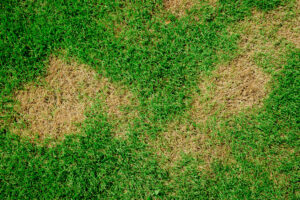
Damage Caused by Cutworms in Your Lawn
Cutworms can cause substantial damage to your lawn, especially in the early spring and late summer when they are most active. The damage typically manifests as irregular patches of dead or dying grass. Cutworms cut the grass off at the base, leaving behind jagged stubs that make the lawn look patchy and unhealthy. Common signs of cutworm damage include:
- Irregular patches of dead grass: Grass appears cut off at ground level, often leaving behind bare patches.
- New seedlings destroyed: Cutworms target young grass seedlings, severing them at or just below ground level, stunting lawn growth.
- Nighttime activity: Since cutworms feed at night, the damage might not be immediately noticeable during the day.
If left untreated, cutworm damage can spread across the lawn, creating large areas of bare soil that are vulnerable to other pests and weeds.
When Are Cutworms in Your Lawn Most Active?
Cutworms are typically most active during two key periods: spring and late summer. Here’s a closer look at their seasonal activity:
- Spring: Cutworms emerge in the early spring as the weather warms up. During this time, they target young grass and new plant growth.
- Late Summer: Cutworms can also cause problems in late summer, particularly during warmer weather when their populations peak.
Knowing when cutworms are most active allows you to take preventive steps before they cause extensive damage to your lawn.
Best Practices to Keep Cutworms Out of Your Lawn
To keep cutworms from invading your lawn, it’s essential to maintain a healthy, well-cared-for lawn. Here are some best practices to prevent cutworm infestations:
- Healthy Lawn Care: Regularly mow, water, and fertilize your lawn to keep it strong. A dense, healthy lawn is less likely to attract pests.
- Remove Debris: Cutworms like to hide under plant debris, so be sure to clear away any dead grass, leaves, or other organic matter from your lawn.
- Inspect Regularly: Frequently inspect your lawn for signs of pest activity, particularly in the spring and late summer when cutworms are most active.
- Proper Irrigation: Overwatering or underwatering can stress your grass, making it more susceptible to pests like cutworms. Keep your lawn’s moisture levels consistent.
These practices will help create an environment that’s less inviting to cutworms, reducing the likelihood of an infestation.
How to Use Over-the-Counter Pest Control to Kill Cutworms
If you prefer to address a cutworm problem yourself, over-the-counter pest control products can help. Here’s how to effectively use them:
- Choose the Right Product: Look for insecticides specifically labeled for cutworm control. These products usually come in granular or liquid form.
- Apply at Night: Since cutworms feed at night, apply your pesticide in the evening when they’re most active.
- Follow Instructions Carefully: Always follow the manufacturer’s instructions to ensure the pesticide is applied correctly and effectively.
While these products can offer temporary relief, they may not address the root of the problem or prevent future infestations. It’s important to continue monitoring your lawn after treatment.
Why DIY Solutions Often Fail with Cutworms
Many DIY methods for controlling cutworms in your lawn are ineffective for several reasons:
- Timing: If you don’t apply treatments at the right time, they won’t be as effective. Cutworms are most active at night and in specific seasons.
- Surface-Level Treatment: DIY treatments often focus on the visible pests but fail to address the larvae hiding in the soil.
- Reinfestation: Without proper scouting and monitoring, cutworms can quickly return after treatment, especially if you haven’t targeted the entire lawn.
Although DIY solutions can provide some relief, they often fail to provide lasting results or comprehensive control.
How to Repair Lawn Damage Caused by Cutworms
If cutworms have damaged your lawn, it’s important to repair it properly to restore its health. Follow these steps to help your lawn recover:
- Reseed Affected Areas: Reseed any areas where grass has been destroyed, especially in patches or where seedlings have been severed.
- Fertilize: Apply a balanced fertilizer to give your new grass the nutrients it needs to establish quickly.
- Water Properly: Keep the reseeded areas consistently watered, but avoid overwatering, which can lead to other issues like mold or fungus.
- Aerate the Soil: Aeration can help improve soil structure, promoting better root growth and helping your lawn recover from damage.
By taking these steps, your lawn can bounce back stronger and healthier, making it more resilient to future pest problems.
How Dr. Green Services Helps with Cutworm Prevention and Control

At Dr. Green Services, we take a proactive approach to cutworm control. Our certified technicians provide expert scouting to detect cutworm infestations early, ensuring that we can address the problem before it gets out of hand. Here’s what we do:
- Scouting: We monitor your lawn regularly for signs of cutworm activity, ensuring timely treatment.
- Timing: We apply treatments at the most effective times to target cutworms during their active periods.
- Free Turf-Damaging Insect Control: As part of our Very Best Lawn Care program, we provide free turf-damaging insect control to keep your lawn protected from pests like cutworms.
With Dr. Green Services, you can rest easy knowing that we’re dedicated to maintaining the health of your lawn year-round.
Protect Your Lawn from Cutworms with Dr. Green Services
Don’t let cutworms take over your lawn! Trust Dr. Green Services to provide expert care, effective treatments, and year-round protection. Contact us today for a free quote and keep your lawn healthy and pest-free.
About the Author
All content published by Dr. Green Services is written and reviewed by licensed lawn care experts who bring over 40 years of professional experience to every recommendation. Our Editorial Team includes certified lawn technicians and regional specialists across Illinois, Indiana, and Texas, ensuring every article is science-based, locally relevant, and results-driven.
Our licensed experts review each post to confirm that recommendations match regional turf types, soil conditions, and seasonal timing. Learn more about our licensed team and experience.
This content is reviewed by Ryan Van Haastrecht, James Tatum, Kenneth Florman, and Marc Harris, who collectively lead Dr. Green Services’ licensed operations across three states:
-
Ryan Van Haastrecht, President/Owner – Licensed in Illinois, Indiana, and Texas for lawn and pest control. Graduate of Queen’s University with an MBA from Wilfrid Laurier University.
-
James Tatum, Director of Operations – Licensed by the Texas Department of Agriculture and graduate of Texas Tech University.
-
Kenneth Florman, Vice President – Licensed by the Illinois Department of Agriculture and the Office of the Indiana State Chemist, holding Operator’s, Mosquito, and Applicator Licenses.
-
Marc Harris, Operations Manager – Licensed in Illinois and Indiana for lawn and pest control, with over 10 years of field experience.
Together, this team ensures every blog post reflects verified lawn care expertise, technical accuracy, and the hands-on experience that defines Dr. Green Services’ trusted reputation.

Request Your Free Quote

Let the Local Experts Handle Your Lawn Care!
Sign up for the Very Best Lawn Care plan from Dr. Green Services and get everything your lawn needs to be lush, green, healthy, and weed-free! This all-inclusive package includes season-long slow-release fertilizer, guaranteed weed and grassy weed control, PLUS free liquid aeration, free grub control, free fungicide, and free turf-damaging insect control. As the local lawn care experts, Dr. Green Services also specializes in mosquito control and exterior pest control, keeping your yard safe, enjoyable, and pest-free all season long. Contact us today for a free quote and start enjoying the best lawn care service around!
Hear What Our Happy Customers Have to Say!
For a Limited Time
Get Started Today and Enjoy Our Special Offer: Free Grub Control, Free Aeration, Free Fungicide, and Free Turf-Damaging Insect Control! Plus, Save 10% When You Prepay!
Your Local Lawn Care Experts
At Dr. Green Services, we are dedicated to providing outstanding lawn care, mosquito control, and tree & shrub care in the Chicagoland, Dallas-Fort Worth, and Northwest Indiana areas. With decades of experience, our certified technicians understand the local climate and soil conditions, allowing us to offer tailored treatments that ensure your lawn thrives.
We believe in delivering the best results, from maintaining vibrant green grass to eliminating pesky mosquitoes. Our commitment to customer satisfaction drives us to go the extra mile for your lawn, transforming it into a beautiful, healthy space for you and your family to enjoy.
Join countless satisfied customers who trust Dr. Green Services. Experience the difference of a professional lawn care service that prioritizes your needs and keeps your outdoor space looking its best all season long!