
Late Fall Lawn Problems: What to Fix Now Before Winter Hits
As late fall arrives across Illinois, Indiana, and Texas, many homeowners begin noticing fall lawn problems that appear suddenly and quickly worsen. These issues often show up fast because temperatures drop, moisture lingers, and lawns prepare for dormancy. However, when you act now, you can protect your grass and set yourself up for a stronger, greener spring.
Below, you’ll find a complete guide that explains the most common fall lawn problems, why they happen, and how proper care—and professional help from Dr. Green Services—can prevent winter damage.
Understanding Fall Lawn Problems Across Different Climates
Fall weather behaves differently in northern and southern regions, yet similar issues appear because grass enters a stress phase. In Illinois, resources from the Illinois Department of Agriculture help explain how cool-season lawns like Kentucky bluegrass and fescue slow down as frost becomes more frequent. In Indiana, guidance from the Office of the Indiana State Chemist supports how soil conditions and seasonal shifts affect cool-season turf as it heads into dormancy. Meanwhile, Texas lawns such as Bermuda and St. Augustine face wide temperature swings that create inconsistent growth, something often highlighted by the Texas Department of Agriculture in their seasonal turf recommendations.
Because of these shifts, fall lawn problems often develop quickly, especially when moisture, shade, compacted soil, or thatch are already present.
Thinning Turf: A Common and Often Overlooked Fall Lawn Problem
Thinning turf is one of the most visible fall lawn problems, and it affects both cool-season and warm-season lawns. In northern areas, thinning often follows summer drought, grub activity, or fungus. In Texas, thinning usually comes from intense summer heat that rolls into fall before temperatures drop suddenly.
When grass thins during late fall, bare soil becomes exposed. As a result, weeds invade more easily, and winter can cause deeper root damage. Fixing thinning turf now prevents major spring repair work and strengthens the root system ahead of colder weather.
Brown Spots That Spread Fast in Late Fall
Brown patches often surprise homeowners during late fall. Although they look like simple discoloration, they usually point to a deeper issue. In the Midwest, brown spots often come from disease or drought stress earlier in the season. In Texas, they may appear due to sudden cold stress hitting warm-season lawns.
Because temperatures fluctuate sharply, brown spots spread quickly, making them one of the most frustrating fall lawn problems.
Fall Fungus: Red Thread, Rust, Dollar Spot and Patch Diseases
Another major category of fall lawn problems involves fungus. Cool, damp weather creates ideal conditions for fungal growth. In the Midwest, lawns commonly face:
Meanwhile, Texas homeowners typically encounter:
-
Fall patch disease
-
Dollar spot during cooler nights
Moisture sits on grass blades longer during fall, so fungal activity spreads fast. Without treatment, these diseases come back stronger in spring and cause even more damage.
Leaf Cover and Debris: A Silent Contributor to Fall Lawn Problems
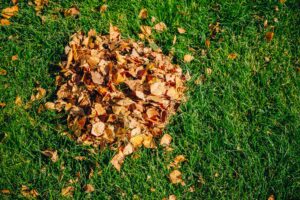
Fallen leaves look beautiful, yet they cause several fall lawn problems when they remain on the lawn. Thick leaf layers trap moisture, block sunlight, and suffocate the turf. This often leads to thinning grass, mold growth, yellow patches, and increased fungus activity.
Removing leaf cover regularly is one of the easiest ways to prevent fall damage and keep your turf breathing.
Late-Season Weeds: Tiny Now, Devastating by Spring
Late-season weeds appear harmless in fall, yet they cause major problems by spring. Weeds such as poa annua, chickweed, henbit, clover, and dandelions germinate during the cooler months. They stay active under the soil through winter while grass goes dormant.
Because of this, they become major spring weed outbreaks—one of the most frustrating fall lawn problems for homeowners. Treating these weeds now prevents heavy infestations later.
Cold Stress and Temperature Swings
Cold stress affects lawns differently based on region. In the Midwest, grass blades dry out after frost and turn brown prematurely. In Texas, warm-season grasses struggle with the drastic shift between warm days and chilly nights.
Because temperature swings weaken the turf, other fall lawn problems—such as fungus and weeds—spread more easily.
Compacted Soil and Poor Drainage
Compaction is one of the most overlooked fall lawn problems. When soil becomes too dense, air, water, and nutrients cannot reach the root zone. This causes shallow roots, weak growth, increased fungus, standing water, and poor spring recovery.
Compaction worsens in fall because cool, wet weather keeps soil damp longer.
How to Fix Fall Lawn Problems Before Winter
Mow Correctly
Keep grass at a healthy height so it can handle frost better. Cutting too short causes stress, yet allowing grass to grow too tall invites fungus.
Remove Leaves and Debris Regularly
Even a small buildup triggers fungal growth, blocks sunlight, and traps moisture.
Hold Off on Liquid Aeration Until Spring
Although fall is a great time for many lawn treatments, liquid aeration is more effective when applied in spring. The warmer soil allows the product to work deeper, break apart compaction faster, and boost root growth during the active season. Plan to use liquid aeration next spring for the best results and a stronger start to the growing season.
Apply Premium Fertilization Built for Fall
Premium fall fertilizer strengthens roots and helps the lawn store energy for winter. Because many fall lawn problems begin with weak roots, fertilization is one of the most important treatments of the season.
Regional Insight: Midwest vs. Texas Fall Lawn Problems
Midwest (Illinois and Indiana)
-
Red thread, rust, and dollar spot are common.
-
Heavy frost weakens grass quickly.
-
Leaves build up and suffocate turf.
-
Shade plus moisture leads to increased fungus activity.
Texas (DFW Metro)
-
Warm-season grasses struggle with sudden cold.
-
Poa annua grows aggressively in late fall.
-
Brown patch fungus spreads in damp, shaded areas.
-
Fall drought combined with early cold promotes thinning.
Common Questions Homeowners Ask About Fall Lawn Problems
Why is my lawn thinning in fall?
Most lawns thin because of summer drought, fungus, grubs, shade issues, or cold stress.
Is it normal to get brown patches before winter?
Yes. Brown spots often appear when grass becomes stressed by fungus, moisture imbalance, or sudden cold.
Do fall weeds really matter?
Yes. Fall weeds may look small, but they grow roots all winter and explode in spring.
How do I stop fungus in late fall?
Increase airflow, remove debris, reduce shade, improve drainage, and use fungicide when needed.
Is liquid aeration better than core aeration?
Yes. Liquid aeration works deeper, improves soil structure, and reduces compaction—but the best time to apply it is spring, when soil activity is highest.
A Better Lawn Starts With Fixing Fall Problems Now
Late fall is the final chance to protect your grass before winter hits. When you address fall lawn problems now—such as thinning turf, leaf buildup, weeds, fungus, and compaction—you ensure healthier growth in spring.
Dr. Green Services provides expert solutions tailored to both cool-season and warm-season lawns. With treatments like premium fertilization and professional fall lawn care, your lawn enters winter stronger and more resilient. And when spring arrives, liquid aeration helps your lawn grow even thicker and healthier.
To fix your fall lawn problems before winter arrives, get a quote today or call 800-465-2934. Acting now makes spring growth easier!
About the Author
All content published by Dr. Green Services is written and reviewed by licensed lawn care experts who bring over 40 years of professional experience to every recommendation. Our Editorial Team includes certified lawn technicians and regional specialists across Illinois, Indiana, and Texas, ensuring every article is science-based, locally relevant, and results-driven.
Our licensed experts review each post to confirm that recommendations match regional turf types, soil conditions, and seasonal timing. Learn more about our licensed team and experience.
This content is reviewed by Ryan Van Haastrecht, James Tatum, Kenneth Florman, and Marc Harris, who collectively lead Dr. Green Services’ licensed operations across three states:
-
Ryan Van Haastrecht, President/Owner – Licensed in Illinois, Indiana, and Texas for lawn and pest control. Graduate of Queen’s University with an MBA from Wilfrid Laurier University.
-
James Tatum, Director of Operations – Licensed by the Texas Department of Agriculture and graduate of Texas Tech University.
-
Kenneth Florman, Vice President – Licensed by the Illinois Department of Agriculture and the Office of the Indiana State Chemist, holding Operator’s, Mosquito, and Applicator Licenses.
-
Marc Harris, Operations Manager – Licensed in Illinois and Indiana for lawn and pest control, with over 10 years of field experience.
Together, this team ensures every blog post reflects verified lawn care expertise, technical accuracy, and the hands-on experience that defines Dr. Green Services’ trusted reputation.

Request Your Free Quote

Let the Local Experts Handle Your Lawn Care!
Sign up for the Very Best Lawn Care plan from Dr. Green Services and get everything your lawn needs to be lush, green, healthy, and weed-free! This all-inclusive package includes season-long slow-release fertilizer, guaranteed weed and grassy weed control, PLUS free liquid aeration, free grub control, free fungicide, and free turf-damaging insect control. As the local lawn care experts, Dr. Green Services also specializes in mosquito control and exterior pest control, keeping your yard safe, enjoyable, and pest-free all season long. Contact us today for a free quote and start enjoying the best lawn care service around!
Hear What Our Happy Customers Have to Say!
For a Limited Time
Get Started Today and Enjoy Our Special Offer: Free Grub Control, Free Aeration, Free Fungicide, and Free Turf-Damaging Insect Control! Plus, Save 10% When You Prepay!
Your Local Lawn Care Experts
At Dr. Green Services, we are dedicated to providing outstanding lawn care, mosquito control, and tree & shrub care in the Chicagoland, Dallas-Fort Worth, and Northwest Indiana areas. With decades of experience, our certified technicians understand the local climate and soil conditions, allowing us to offer tailored treatments that ensure your lawn thrives.
We believe in delivering the best results, from maintaining vibrant green grass to eliminating pesky mosquitoes. Our commitment to customer satisfaction drives us to go the extra mile for your lawn, transforming it into a beautiful, healthy space for you and your family to enjoy.
Join countless satisfied customers who trust Dr. Green Services. Experience the difference of a professional lawn care service that prioritizes your needs and keeps your outdoor space looking its best all season long!