
Tree and Shrub Care Science: How Plants Stay Healthy
Tree and shrub care science explains how woody plants grow, absorb nutrients, and respond to stress. At first glance, trees and shrubs often look strong and independent. However, their long-term health depends on biological systems working below the surface.
At Dr. Green Services, tree and shrub care follows science first. Instead of waiting for visible decline, professional treatments support roots, nutrition, and natural defenses early. As a result, trees and shrubs stay healthier and more resilient over time.
What Tree and Shrub Care Science Reveals About Plant Growth
Woody plants grow very differently than turfgrass. Many of the same biological principles discussed in lawn care science also apply to trees and shrubs, especially when it comes to roots, nutrition, and stress.
Because they rely on deep, long-lived root systems, early development happens below ground before growth appears above it. Therefore, visible health always starts underground.
Roots absorb water and nutrients, transport them upward, and store energy for future seasons. Consequently, when roots struggle, the entire plant weakens—even if foliage still looks healthy at first.
Root Health and Long-Term Tree and Shrub Stability
Research consistently shows that strong roots are essential for long-term plant stability. Most feeder roots exist near the soil surface where oxygen and moisture are available. As a result, soil conditions play a major role in overall plant performance.
When soil becomes compacted or excessively dry, roots lose efficiency. Consequently, nutrient uptake slows, growth declines, and stress increases. Over time, decline becomes noticeable above ground.
How Tree and Shrub Care Science Connects Nutrition to Health
Trees and shrubs require balanced nutrition to support growth and defense. Nitrogen fuels leaf development and energy production. Meanwhile, potassium strengthens plant cells and improves tolerance to environmental stress.
Without proper nutrition, plants weaken gradually. For example, foliage may yellow, growth slows, and resistance drops. Therefore, effective fertilization focuses on steady support rather than rapid or forced growth.
Why Stress Plays a Central Role in Plant Decline
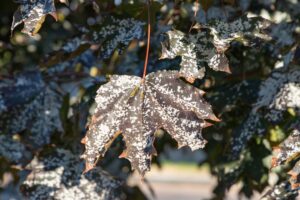
Environmental stress drives most tree and shrub problems. Drought, heat, compacted soil, and sudden changes all place pressure on internal systems. Over time, that pressure limits growth and defense.
As stress builds, plants shift energy away from protection. Because of this, insects and disease gain an advantage. By the time symptoms appear, internal damage is often already progressing. According to the International Society of Arboriculture, stress is one of the leading factors behind tree decline, insect infestations, and disease development. This same stress-driven pattern is also explained in lawn fungus science, where conditions often determine when disease develops and spreads.
How Tree and Shrub Care Science Explains Insect and Disease Pressure
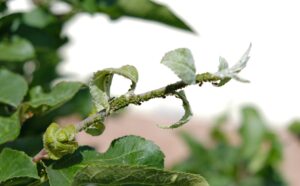
Insects rarely attack healthy plants at random. Instead, they target trees and shrubs weakened by stress or poor nutrition. Once feeding begins, pests disrupt nutrient flow and create entry points for disease.
This same outdoor insect behavior is also explained in mosquito control science, which shows how insects develop and spread in exterior environments before becoming a larger problem around the home.
Therefore, prevention is more effective than reaction. Supporting plant health early reduces the likelihood that insects and disease establish themselves.
Why Timing Matters for Tree and Shrub Treatments
Trees and shrubs follow predictable seasonal cycles. As the year progresses, root growth, nutrient uptake, and energy storage shift. Because of these changes, treatment timing directly influences results.
When applications align with plant biology, plants absorb nutrients more efficiently. As a result, treatments deliver stronger results while reducing unnecessary stress on trees and shrubs. This prevention-first approach also aligns with exterior pest control science, which focuses on stopping pest activity outside before it spreads or causes additional damage.
How Tree and Shrub Care Science Supports Long-Term Health
Tree and shrub care science emphasizes prevention instead of short-term correction. By strengthening roots, supporting balanced growth, and reinforcing natural defenses, science-based care helps plants handle seasonal and environmental stress more effectively.
As a result, this proactive approach protects long-term plant health. At Dr. Green Services, professional tree and shrub care applies these principles consistently rather than relying on temporary fixes or reactive treatments.
Hear What Our Happy Customers Have to Say!
For a Limited Time
Get Started Today and Enjoy Our Special Offer: Free Grub Control, Free Aeration, Free Fungicide, and Free Turf-Damaging Insect Control! Plus, Save 10% When You Prepay!
Your Local Lawn Care Experts
Dallas-Fort Worth
Address
3333 Earhart Dr., Suite 200
Carrollton, TX 75006
Phone Number
1-800-465-2934
Ready to elevate your lawn care game?
Get a free quote today.