
Understanding Common Lawn Fungus and How to Deal with It
Lawn fungus is a significant concern for homeowners who want to maintain a healthy, green lawn. Various types of common lawn fungus can affect your grass, leading to unsightly patches and weakening the overall health of your lawn. By understanding these different types of fungus, you can take effective steps for treatment and prevention.
What Causes Lawn Fungus?
Several factors contribute to the development of common lawn fungus, and these factors often work together rather than in isolation. In most cases, disease appears when environmental conditions favor fungal growth while turf health is already under stress.
First, excess moisture plays a major role in fungal development. Overwatering, poor drainage, and prolonged leaf wetness create ideal conditions for fungus to establish and spread. As a result, lawns that stay damp for extended periods are far more vulnerable.
In addition, temperature strongly influences fungal activity. Many lawn fungi prefer warm, humid conditions, which is why outbreaks are most common during spring and fall. During these periods, disease pressure can increase quickly if moisture levels remain high.
Grass type also matters, since certain turf varieties are more susceptible to specific diseases. For example, Kentucky bluegrass is prone to brown patch fungus, while Bermudagrass can be affected by dollar spot fungus. Because of these differences, understanding turf characteristics is essential.
Finally, nutrient imbalance can weaken grass and reduce its natural defenses. When turf lacks proper nutrition or receives fertilizer at the wrong time, it becomes more vulnerable to infection. Together, these factors are explained in greater detail through lawn fungus science, which shows how moisture, temperature, turf stress, and grass type drive fungal activity.
Types of Fungal Issues in Lawns
Recognizing the common lawn fungus that can invade your lawn is key to effective management. Here are some of the most prevalent types:
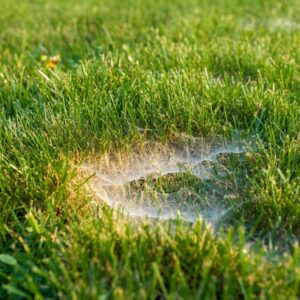
1. Dollar Spot
Dollar spot fungus is a widespread issue that manifests as small, circular patches of dead grass. Each patch typically measures 2 to 6 inches in diameter and may coalesce into larger areas. This fungus thrives in warm, humid conditions, particularly when nitrogen levels in the soil are low.
Treatment and Prevention: To manage dollar spot fungus, ensure your lawn receives adequate nitrogen through premium fertilizer. Additionally, maintaining proper mowing heights and improving drainage can help prevent its spread.
2. Brown Patch
Brown patch fungus often appears as large, irregular brown patches on the lawn. This fungus is most common in warm, humid weather and can quickly spread if not addressed. High humidity and nighttime temperatures above 70°F can encourage its growth.
Treatment and Prevention: To combat brown patch fungus, avoid excessive watering, especially in the evening. Furthermore, aerating the lawn and applying fungicides can effectively control this issue.
3. Fusarium Blight
Fusarium blight is another common lawn fungus that often affects lawns in the summer. It appears as straw-colored patches, typically caused by stress due to drought or over-fertilization.
Treatment and Prevention: To prevent fusarium blight, ensure proper watering and avoid excessive nitrogen application. By keeping the lawn healthy through regular maintenance, you can reduce susceptibility to this fungus.
4. Powdery Mildew
Powdery mildew presents as a white, powdery coating on grass blades. It tends to occur in shady areas and is more common in cool, dry conditions.
Treatment and Prevention: To improve air circulation, trim overhanging branches and avoid overcrowding. If necessary, you can apply fungicides labeled for powdery mildew.
5. Red Thread
Red thread fungus manifests as pink to red threads on grass blades, usually in late spring and early summer. It primarily affects nitrogen-deficient lawns.
Treatment and Prevention: To treat red thread fungus, apply a nitrogen-rich premium fertilizer and maintain proper lawn care practices, including adequate watering.
6. Rust Fungus
Rust Fungus will leave orange, red, or yellow spots it leaves on the grass blades, resembling rust. It primarily affects nitrogen-deficient lawns.
Treatment and Prevention: Apply a high nitrogen fertilizer and make sure to avoid watering at night. A fungicide may be used if needed.
Effective Treatment Strategies for Lawn Fungus
Treating common lawn fungus effectively requires a combination of targeted treatments and proactive care. Rather than relying on a single solution, long-term success depends on addressing both the disease itself and the conditions that allow it to spread.
First, fungicides play an important role when they are matched to the specific fungus affecting your lawn. Using the correct product and applying it at the right time helps slow disease activity and protect healthy turf. According to university turfgrass research, fungicide performance improves significantly when applications are timed around weather conditions and disease pressure.
In addition, strong cultural practices support recovery and reduce future outbreaks. Proper watering techniques, mowing at the correct height, and improving soil conditions through aeration all help strengthen grass and limit excess moisture. As a result, turf becomes less inviting to fungal pathogens.
Finally, regular lawn maintenance and inspection make a meaningful difference. By monitoring turf conditions and spotting early symptoms, minor fungal issues can be addressed before they escalate into widespread damage. Over time, this proactive approach leads to healthier, more resilient grass.
Preventing Fungal Issues in Your Lawn
Preventing common lawn fungus is more effective than treatment. Here are some tips to keep your lawn healthy:
- Proper Watering: Water early in the morning to allow grass blades to dry throughout the day. Additionally, avoid overwatering, which can promote fungal growth.
- Maintain Fertility: Use premium fertilizer tailored to your lawn type. Balanced nutrients help keep grass strong and resistant to disease.
- Mow Regularly: Mowing at the appropriate height can prevent shade and promote healthy growth. Taller grass tends to be more resilient against fungal infections.
- Improve Air Circulation: To reduce humidity levels around the grass, thin out dense areas of grass to enhance air movement.
Take Action Against Common Lawn Fungus
Understanding and managing common lawn fungus is essential for maintaining a healthy lawn. By recognizing the types of fungus that can affect your grass and employing effective treatment and prevention strategies, you can enjoy a lush, green lawn year-round. If you notice signs of lawn fungus, don’t hesitate to take action. With proper care and attention, your lawn can thrive, free from the worry of fungal infections. For expert help, consider reaching out for a free quote today!
About the Author
All content published by Dr. Green Services is written and reviewed by licensed lawn care experts who bring over 40 years of professional experience to every recommendation. Our Editorial Team includes certified lawn technicians and regional specialists across Illinois, Indiana, and Texas, ensuring every article is science-based, locally relevant, and results-driven.
Our licensed experts review each post to confirm that recommendations match regional turf types, soil conditions, and seasonal timing. Learn more about our licensed team and experience.
This content is reviewed by Ryan Van Haastrecht, James Tatum, Kenneth Florman, and Marc Harris, who collectively lead Dr. Green Services’ licensed operations across three states:
-
Ryan Van Haastrecht, President/Owner – Licensed in Illinois, Indiana, and Texas for lawn and pest control. Graduate of Queen’s University with an MBA from Wilfrid Laurier University.
-
James Tatum, Director of Operations – Licensed by the Texas Department of Agriculture and graduate of Texas Tech University.
-
Kenneth Florman, Vice President – Licensed by the Illinois Department of Agriculture and the Office of the Indiana State Chemist, holding Operator’s, Mosquito, and Applicator Licenses.
-
Marc Harris, Operations Manager – Licensed in Illinois and Indiana for lawn and pest control, with over 10 years of field experience.
Together, this team ensures every blog post reflects verified lawn care expertise, technical accuracy, and the hands-on experience that defines Dr. Green Services’ trusted reputation.

Request Your Free Quote

Let the Local Experts Handle Your Lawn Care!
Sign up for the Very Best Lawn Care plan from Dr. Green Services and get everything your lawn needs to be lush, green, healthy, and weed-free! This all-inclusive package includes season-long slow-release fertilizer, guaranteed weed and grassy weed control, PLUS free liquid aeration, free grub control, free fungicide, and free turf-damaging insect control. As the local lawn care experts, Dr. Green Services also specializes in mosquito control and exterior pest control, keeping your yard safe, enjoyable, and pest-free all season long. Contact us today for a free quote and start enjoying the best lawn care service around!
Hear What Our Happy Customers Have to Say!
For a Limited Time
Get Started Today and Enjoy Our Special Offer: Free Grub Control, Free Aeration, Free Fungicide, and Free Turf-Damaging Insect Control! Plus, Save 10% When You Prepay!
Your Local Lawn Care Experts
At Dr. Green Services, we are dedicated to providing outstanding lawn care, mosquito control, and tree & shrub care in the Chicagoland, Dallas-Fort Worth, and Northwest Indiana areas. With decades of experience, our certified technicians understand the local climate and soil conditions, allowing us to offer tailored treatments that ensure your lawn thrives.
We believe in delivering the best results, from maintaining vibrant green grass to eliminating pesky mosquitoes. Our commitment to customer satisfaction drives us to go the extra mile for your lawn, transforming it into a beautiful, healthy space for you and your family to enjoy.
Join countless satisfied customers who trust Dr. Green Services. Experience the difference of a professional lawn care service that prioritizes your needs and keeps your outdoor space looking its best all season long!