
Everything You Need to Know About Sod Webworms and How to Protect Your Lawn
Sod Webworms are a common, yet often overlooked, lawn pest that can cause significant damage to your grass. Understanding what they are, how they affect your lawn, and how to prevent them is crucial for maintaining a healthy, vibrant yard. In this guide, we’ll dive into the details of Sod Webworms, the harm they cause, and how you can keep them at bay using effective pest control methods. With the right knowledge, you can protect your lawn and keep it lush and green all year round.
What Are Sod Webworms?
Sod webworms develop as the larvae of small moths that feed directly on grass in lawns and turf. Throughout their life cycle, they move through egg, larval, pupal, and adult stages. However, the larval stage causes the most damage. During this phase, sod webworm larvae chew grass blades and spin protective webs, which can quickly kill patches of turf.
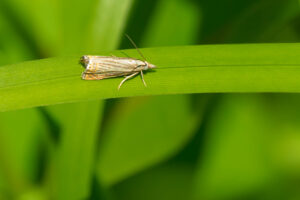
Meanwhile, adult moths measure about half an inch long and display brownish-gray wings. Although homeowners often notice these moths first, they do not damage turf directly. Instead, the larvae create the real problem. Sod webworm larvae appear as small green to gray caterpillars with brown heads and dark body markings. As they feed, they tunnel into the grass canopy and bind blades together with webbing, which weakens turf and leads to thinning or dead areas.
Because this damage often begins out of sight, understanding turf-damaging insect science helps explain why early detection and proper timing are critical to stopping sod webworms before widespread lawn damage occurs.
How to Identify Sod Webworms in Your Lawn
Identifying sod webworms early helps prevent long-term lawn damage. At first, infestations appear as small, irregular patches of brown or thinning grass. Often, fine webbing surrounds these areas, which larvae create as they feed on grass blades.
To confirm an infestation, inspect the lawn closely for larvae. Sod webworms typically hide near the soil surface, sheltering under grass thatch or within their webbing. If damaged areas fail to recover, or if webbed patches continue to spread, active feeding is likely occurring.
In some situations, homeowners may notice adult moths flying low over the lawn during evening hours. However, larvae—not adults—cause turf damage. For accurate confirmation, gently lift the grass and examine the soil and thatch layer beneath for feeding activity.
The Life Cycle of Sod Webworms
Sod webworms move through a multi-stage life cycle that allows them to damage lawns over an extended period. To begin, adult female moths lay eggs directly on grass blades in late spring and early summer. These eggs hatch within about a week, releasing larvae that immediately begin feeding. During this larval stage, sod webworms cause the most damage by chewing grass blades and creating expanding patches of dead turf. Feeding can continue for several weeks, depending on weather conditions and food availability.
After completing their feeding cycle, larvae pupate in the soil and transform into adult moths. Once adults emerge, they fly at night, become attracted to light, and restart the life cycle by laying new eggs. Research from Kansas State University on the sod webworm life cycle highlights how quickly populations can rebuild when conditions remain favorable.
Because each stage follows a predictable pattern, understanding this life cycle allows homeowners to time treatments accurately. In particular, targeting sod webworms during the larval stage, when they actively feed on grass blades, delivers the most effective control and prevents widespread lawn damage.
Where Are Sod Webworms Found?
Sod Webworms are found in lawns throughout North America, especially in areas with warm, moist climates. They tend to thrive in the cooler, early summer months and can be found in urban lawns, golf courses, and any area with irrigated turfgrass.
These pests are most active in areas with healthy grass that’s well-watered and fertilized. They are particularly drawn to Kentucky bluegrass, fescue, and other cool-season grasses. Additionally, Sod Webworms tend to favor lawns that are overwatered, as the moist conditions help the larvae thrive.
Damage Caused by Sod Webworms
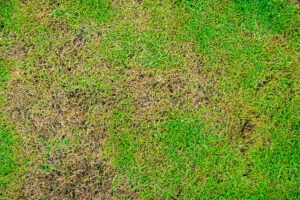
Sod Webworms cause significant damage to lawns by feeding on the grass blades. As they chew through the blades, they leave behind unsightly brown patches in the lawn. These patches are often irregularly shaped, which is one of the key identifiers of Sod Webworm infestations.
In severe cases, the damage can spread quickly and result in large dead areas, making your lawn look patchy and unhealthy. Additionally, the larvae’s tunneling behavior weakens the grass roots, making it more difficult for the grass to recover.
If left unchecked, insects can destroy entire sections of lawn, leading to costly repairs. That’s why early detection and treatment are crucial to maintaining a beautiful lawn.
How to Prevent Sod Webworms from Infesting Your Lawn
The best way to deal with Sod Webworms is to prevent them from infesting your lawn in the first place. Here are some essential tips to keep them away:
- Maintain Healthy Grass: A healthy lawn is less susceptible to pests. Regularly mow your grass to the right height, and water it appropriately to avoid creating overly damp conditions that attract the larvae.
- Use Proper Fertilization: Ensure your lawn is getting the right nutrients through fertilization. A balanced, slow-release fertilizer will promote strong, healthy grass that can better resist pest attacks.
- Remove Thatch: Thatch is a layer of dead grass that accumulates on the soil surface. It provides an ideal hiding place for Sod Webworms. Regularly aerate your lawn to reduce the chances of an infestation.
- Watering: Avoid overwatering your lawn, as insects are attracted to moist environments. Proper irrigation practices will help prevent their presence.
- Natural Predators: Beneficial insects like birds, nematodes, and predatory beetles will feed on Sod Webworms. These natural predators can help keep their population in check.
Using Over-the-Counter Pest Control Products
When sod webworms infest a lawn, over-the-counter pest control products can help reduce activity. Insecticides labeled for sod webworms kill larvae and stop further feeding when applied correctly.
However, product performance varies, and not every insecticide delivers the same results. Applying the wrong product or mistiming applications often leads to poor control. For best results, follow label instructions closely and apply treatments at the correct time and rate to ensure the insecticide reaches active larvae.
Why DIY Pest Control Often Falls Short
Although many homeowners attempt to control sod webworms on their own, DIY pest control often falls short. In many cases, timing creates the biggest challenge. When applications occur too early or too late, treatments fail to reach larvae during their most vulnerable stage. Without a clear understanding of the sod webworm life cycle, DIY efforts frequently miss the optimal treatment window.
In addition, store-bought products often fail to deliver consistent coverage across the entire lawn. Improper application leaves untreated areas where larvae continue feeding unnoticed. At the same time, limited knowledge makes it difficult to identify sod webworms accurately or adjust treatments as conditions change. Pest control professionals, on the other hand, recognize each life stage and apply targeted solutions that match the lawn’s specific needs.
How to Repair Damage from Sod Webworms
If your lawn has already been damaged by Sod Webworms, don’t worry—there are steps you can take to restore it.
- Reseed the Lawn: The first step is to reseed any bare patches. Choose grass seed that matches the type of lawn you have and the local climate.
- Fertilize: After reseeding, use a high-quality fertilizer to promote healthy growth and encourage new grass to fill in the damaged areas.
- Watering: Be sure to water the lawn consistently to help the new grass establish roots. Avoid overwatering, which can attract more pests.
By repairing the damage promptly, you can help your lawn bounce back quickly and return to its lush, healthy state.
Dr. Green Services Approach to Sod Webworm Control
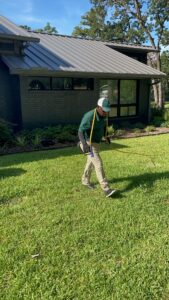
At Dr. Green Services, we understand the importance of addressing Sod Webworm infestations before they cause major damage. Our expert technicians use the latest scouting techniques to identify early signs of pest activity and apply treatments at the optimal time.
With our Very Best Lawn Care plan we offer free Turf-Damaging Insect Control, ensuring your lawn is protected from pests like Sod Webworms all year round. We also provide the proper fertilizer and aeration to make sure your lawn is healthy and able to withstand issues from pests.
Protect Your Lawn from Sod Webworms Today
Taking action against Sod Webworms early is the best way to protect your lawn. If you’re concerned about a potential infestation or if you’re dealing with existing damage, contact Dr. Green Services for a free quote. Our expert technicians will assess your lawn, recommend the best course of action, and provide effective treatments to keep your lawn healthy and pest-free. Let us help you maintain the beautiful lawn you deserve.
About the Author
All content published by Dr. Green Services is written and reviewed by licensed lawn care experts who bring over 40 years of professional experience to every recommendation. Our Editorial Team includes certified lawn technicians and regional specialists across Illinois, Indiana, and Texas, ensuring every article is science-based, locally relevant, and results-driven.
Our licensed experts review each post to confirm that recommendations match regional turf types, soil conditions, and seasonal timing. Learn more about our licensed team and experience.
This content is reviewed by Ryan Van Haastrecht, James Tatum, Kenneth Florman, and Marc Harris, who collectively lead Dr. Green Services’ licensed operations across three states:
-
Ryan Van Haastrecht, President/Owner – Licensed in Illinois, Indiana, and Texas for lawn and pest control. Graduate of Queen’s University with an MBA from Wilfrid Laurier University.
-
James Tatum, Director of Operations – Licensed by the Texas Department of Agriculture and graduate of Texas Tech University.
-
Kenneth Florman, Vice President – Licensed by the Illinois Department of Agriculture and the Office of the Indiana State Chemist, holding Operator’s, Mosquito, and Applicator Licenses.
-
Marc Harris, Operations Manager – Licensed in Illinois and Indiana for lawn and pest control, with over 10 years of field experience.
Together, this team ensures every blog post reflects verified lawn care expertise, technical accuracy, and the hands-on experience that defines Dr. Green Services’ trusted reputation.

Request Your Free Quote

Let the Local Experts Handle Your Lawn Care!
Sign up for the Very Best Lawn Care plan from Dr. Green Services and get everything your lawn needs to be lush, green, healthy, and weed-free! This all-inclusive package includes season-long slow-release fertilizer, guaranteed weed and grassy weed control, PLUS free liquid aeration, free grub control, free fungicide, and free turf-damaging insect control. As the local lawn care experts, Dr. Green Services also specializes in mosquito control and exterior pest control, keeping your yard safe, enjoyable, and pest-free all season long. Contact us today for a free quote and start enjoying the best lawn care service around!
Hear What Our Happy Customers Have to Say!
For a Limited Time
Get Started Today and Enjoy Our Special Offer: Free Grub Control, Free Aeration, Free Fungicide, and Free Turf-Damaging Insect Control! Plus, Save 10% When You Prepay!
Your Local Lawn Care Experts
At Dr. Green Services, we are dedicated to providing outstanding lawn care, mosquito control, and tree & shrub care in the Chicagoland, Dallas-Fort Worth, and Northwest Indiana areas. With decades of experience, our certified technicians understand the local climate and soil conditions, allowing us to offer tailored treatments that ensure your lawn thrives.
We believe in delivering the best results, from maintaining vibrant green grass to eliminating pesky mosquitoes. Our commitment to customer satisfaction drives us to go the extra mile for your lawn, transforming it into a beautiful, healthy space for you and your family to enjoy.
Join countless satisfied customers who trust Dr. Green Services. Experience the difference of a professional lawn care service that prioritizes your needs and keeps your outdoor space looking its best all season long!