
Turf-Damaging Insect Science: How Lawn Insects Damage Turf and How to Stop Them
Turf-damaging insect science explains why lawn insects can quietly destroy healthy grass long before homeowners notice visible problems. Many turf insects feed below the surface or within the grass canopy, attacking roots, stems, and blades that support growth and recovery. As a result, damage often appears suddenly, spreads quickly, and is frequently mistaken for drought stress or disease. Understanding how these insects live, feed, and multiply is the key to stopping infestations before lawns suffer serious damage.
What Turf-Damaging Insect Science Reveals About Lawn Damage
Turf-damaging insect science focuses on how insects interact with grass plants at different stages of their life cycle. Some insects feed underground on roots, while others feed on grass blades or stems above the soil surface. In each case, feeding disrupts the lawn’s ability to absorb water, move nutrients, and recover from stress.
Unlike surface problems, turf-damaging insect damage weakens grass internally. Over time, turf becomes thin, patchy, and less resilient. As density declines, weeds and diseases gain an advantage, making overall lawn health even harder to maintain.
Why Turf-Damaging Insect Damage Is Hard to Detect Early
One of the most important lessons in turf-damaging insect science is that early damage is easy to miss. Many lawn insects are small, nocturnal, or hidden in the soil and thatch layer. Because of this, feeding often continues unnoticed for weeks.
Early symptoms also resemble other lawn issues. Grass may wilt, turn yellow, or thin out during warm weather. Many homeowners assume drought stress is the cause and increase watering. Unfortunately, watering does not stop insect feeding and can sometimes create conditions that allow turf-damaging insects to spread faster. Turf damage caused by insects is often mistaken for disease, which is why understanding lawn fungus science helps homeowners identify the true cause sooner.
Common Turf-Damaging Insects and Lawn Insect Damage Patterns
Different turf-damaging insects feed in different ways. Turf-damaging insect science helps explain why damage varies by species and season.
Chinch Bugs and Turf-Damaging Insect Feeding on Grass Blades
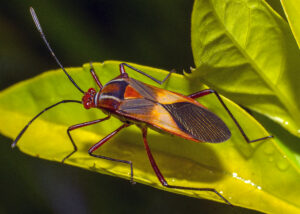
Chinch bugs feed by piercing grass blades and extracting plant fluids. During feeding, they inject toxins that interfere with the movement of water inside the plant. As a result, grass turns yellow or brown even when moisture is present. Damage often expands quickly during hot, dry periods.
Sod Webworms and Turf-Damaging Insect Damage at the Soil Surface
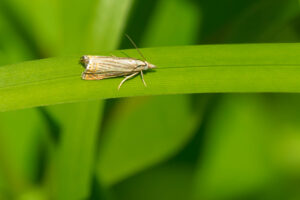
Sod webworms chew grass blades near the soil surface. Their feeding creates irregular brown patches and a closely cut appearance. Because sod webworms are most active at night, infestations are often well established before damage becomes obvious.
Billbugs and Turf-Damaging Insect Damage Inside Grass Stems
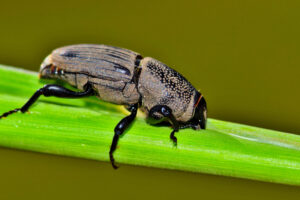
Billbugs damage lawns as both adults and larvae. Adults chew into grass stems, while larvae feed internally and attack roots. This internal feeding weakens turf from the inside, often causing grass to pull up easily with little resistance.
Armyworms and Turf-Damaging Insect Outbreaks That Spread Quickly
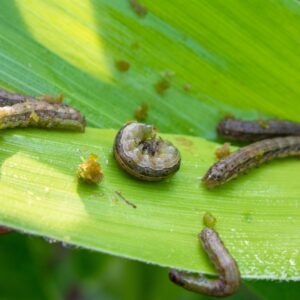
Armyworms and cutworms feed aggressively on grass blades and can strip turf in a short period of time. Large outbreaks may appear suddenly, leaving lawns thin, uneven, and highly stressed.
How Turf-Damaging Insect Science Explains Rapid Lawn Decline
Turf-damaging insect science shows that once feeding begins, damage rarely stays localized. Insect activity weakens grass, reducing its ability to tolerate heat, mowing, and foot traffic. Thin turf allows sunlight to reach the soil surface, encouraging weeds and creating favorable conditions for additional insect activity.
Insects also reproduce quickly when temperatures rise. Warm weather and stressed turf accelerate population growth, allowing damage to spread rapidly across the lawn if left untreated.
Turf-Damaging Insect Science Shows Why Timing Matters Most
One of the most important principles of turf-damaging insect science is that timing matters more than treatment strength. In fact, many control products only work during specific stages of an insect’s life cycle, such as when larvae actively feed. These same timing-based dynamics also appear in fire ant control science, where treatments must align with colony activity below the surface in order to reach the queen and disrupt reproduction.
When applications occur too early, they often miss the target stage. Conversely, when applications occur too late, damage has already developed. Therefore, preventive monitoring and well-timed treatments prove far more effective than reacting once large brown patches appear. Similarly, timing plays a critical role in broader pest prevention, as explained in exterior pest control science and mosquito control science, where disrupting life cycles prevents populations from taking hold. These same timing-based principles also apply to woody plants, which are covered in tree and shrub care science.
Why DIY Turf-Damaging Insect Control Often Fails
DIY turf-damaging insect control often fails because it relies on general solutions rather than insect-specific strategies. Store-bought products are usually applied to the surface, even though many turf-damaging insects live below ground or inside the grass plant.
Without proper identification and timing, treatments may never reach the insects causing the damage. In some cases, improper applications can stress turf further, making lawns more vulnerable to future infestations.
Science-Based Turf-Damaging Insect Control Programs Explained
Science-based turf-damaging insect control focuses on prevention, monitoring, and proper timing, which aligns with integrated pest management best practices for turf that reduce damage while protecting long-term lawn health. By understanding insect life cycles and seasonal activity patterns, treatments can be applied when insects are most vulnerable and turf is least stressed.
This approach protects grass roots, preserves turf density, and reduces the risk of recurring infestations. Over time, consistent, science-backed care helps maintain healthier lawns that resist damage naturally. While some turf-damaging insects feed on grass blades, others attack roots below the surface, as explained in our lawn grub damage science guide.
How Healthy Turf Reduces Turf-Damaging Insect Activity
Healthy turf plays a critical role in limiting turf-damaging insect activity. Dense grass shades the soil, moderates temperature, and restricts insect movement. Proper mowing, balanced nutrition, and consistent care all support faster recovery from minor feeding.
When turf remains thick and well supported, insects struggle to spread, and damage stays limited. Turf-damaging insect prevention works best when it’s part of a complete, science-based lawn care approach that supports turf health year-round.
Understanding Turf-Damaging Insect Science Protects Lawns Long-Term
Turf-damaging insect science explains why lawn insects cause hidden, fast-moving damage and why prevention is always more effective than repair. By understanding how these insects live, feed, and spread, homeowners can recognize early warning signs and protect their lawns before serious damage occurs. When early signs appear, professional turf-damaging insect control helps stop infestations before damage spreads further. With proper timing and science-based care, lawns stay stronger, healthier, and better protected throughout the growing season.
Hear What Our Happy Customers Have to Say!
For a Limited Time
Get Started Today and Enjoy Our Special Offer: Free Grub Control, Free Aeration, Free Fungicide, and Free Turf-Damaging Insect Control! Plus, Save 10% When You Prepay!
Your Local Lawn Care Experts
Dallas-Fort Worth
Address
3333 Earhart Dr., Suite 200
Carrollton, TX 75006
Phone Number
1-800-465-2934
Ready to elevate your lawn care game?
Get a free quote today.