
Exterior Pest Control Science: How Perimeter Treatments Work
Exterior pest control science explains how pests behave outside the home, why they attempt to enter, and how professional perimeter treatments stop infestations before they start. Although many homeowners focus on pests once they appear indoors, science clearly shows that prevention at the exterior level is far more effective.
At Dr. Green Services, exterior pest control focuses on stopping pests where activity begins. Instead of reacting later, professional perimeter treatments target entry points, nesting zones, and movement patterns around the structure. As a result, these applications create a protective barrier that keeps pests out—without treating the interior of your home.
What Exterior Pest Control Science Reveals About Pest Behavior
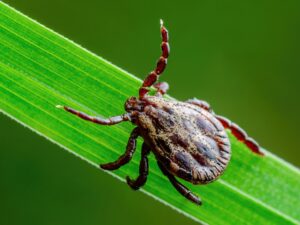
Exterior pest control science starts with understanding how pests survive and spread. In most cases, common household pests do not originate indoors. Instead, they live and reproduce outside—often in turf and soil—before moving toward structures in search of food, moisture, and shelter, which is further explained in turf-damaging insect science.
For example, ants follow scent trails along foundations. Likewise, spiders build webs near light sources that attract insects. Meanwhile, cockroaches and earwigs hide in mulch, soil, and shaded cracks where moisture remains consistent. Fleas follow similar environmental patterns, developing in protected outdoor areas where pets and wildlife regularly pass through. Because these behaviors are predictable, exterior pest control works proactively rather than reactively.
As a result, treating exterior pathways disrupts pest activity long before pests ever cross the threshold.
Why Pests Are Drawn to the Outside of Homes
Exterior pest control science also explains why the outside of a home naturally attracts pests. First, foundations retain warmth. In addition, mulch beds and soil hold moisture. Together, these conditions create ideal shelter for insects. At the same time, soil-dwelling pests such as grubs contribute to increased pest activity, which is further explained in grub control science.
Moreover, features such as downspouts, utility lines, and door thresholds act as natural travel routes. Over time, pests repeatedly use these pathways as they move closer to entry points. Meanwhile, proper mowing, soil balance, and moisture management—explained in lawn care science—help reduce the exterior conditions that attract pests in the first place.
Without a protective barrier, pest pressure steadily increases. Therefore, exterior treatments play a critical role in reducing populations before infestations develop indoors.
How Perimeter Treatments Create a Protective Barrier
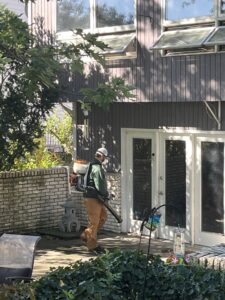
At the core of exterior pest control science is perimeter defense. Instead of chasing pests after they enter the home, professionals apply treatments around the foundation and other high-risk exterior zones where pest activity begins. According to the CDC, many pests—including ticks—travel through grassy areas, vegetation, and foundation edges as they move toward structures, which makes exterior treatment zones critical.
As a result, these applications target areas where pests crawl, nest, or travel along the structure. When pests cross the treated barrier, exposure disrupts their activity and stops them from establishing inside—a process that also helps reduce ticks and disease associated with exterior pest movement.
At the same time, keeping treatments outdoors allows them to work continuously without disrupting daily life indoors. In addition, targeted exterior applications improve effectiveness while minimizing unnecessary exposure.
Targeting Entry Points With Exterior Pest Control
Exterior pest control science places strong emphasis on entry points. Even small openings can allow pests to enter when exterior pressure builds.
Common entry areas include:
-
Foundation cracks and expansion joints
-
Door and window thresholds
-
Utility and plumbing penetrations
-
Weep holes and siding gaps
By consistently treating these areas, exterior pest control greatly reduces the chance of pests finding a way inside. In most cases, preventing entry is far easier than eliminating an indoor infestation later.
Why Exterior Pest Control Is More Preventive Than Reactive
One of the most important principles of exterior pest control science is prevention. While interior treatments address visible pests, they often miss the source of the problem.
In contrast, controlling pests outside causes populations to decline naturally, especially when strategies account for seasonal pest activity and predictable changes in insect behavior. Consequently, fewer insects survive to reproduce. Over time, fewer pests attempt entry, and overall pressure around the home decreases.
Because of this proactive approach, exterior pest control delivers stronger long-term results and fewer recurring issues. This same prevention-first strategy also applies to vegetation around the home, which is explained in tree and shrub care science, where plant health and stress influence pest activity.
Exterior Pest Control and Seasonal Pest Pressure
Exterior pest control science also shows why timing matters. In fact, pest activity follows predictable seasonal patterns driven by temperature, moisture, and breeding cycles. Many of these same patterns are explained in fire ant control science, which shows how underground colonies expand rapidly during warm, moist conditions.
During spring and summer, insect activity increases as colonies grow, and mosquito populations rise as well, especially in warm, wet conditions explained in mosquito control science. Later, in fall, pests move closer to structures in search of warmth. Therefore, exterior treatments adjust throughout the year to reinforce protection when pressure is highest.
By staying ahead of these seasonal shifts, professional exterior pest control helps prevent sudden infestations that often surprise homeowners.
Why Dr. Green Services Focuses on Exterior Pest Control
Dr. Green Services uses exterior pest control science to deliver effective protection without treating the inside of the home. Because this approach focuses on prevention, it stops pest problems before they start.
By targeting pest behavior, entry points, and perimeter zones, Dr. Green Services protects homes from the outside in. In addition, professional applications are timed correctly and applied with precision for consistent results. For homeowners who want to explore related science topics, Dr. Green Services offers a full library of lawn care and pest control resources.
Ultimately, exterior pest control is not about reacting to pests you can see. Instead, it is about using science to stop pests before they ever become a problem. For homeowners ready to apply these principles in real-world conditions, Dr. Green Services offers a professional exterior pest control service designed to stop pests at the perimeter before they enter the home.
Hear What Our Happy Customers Have to Say!
For a Limited Time
Get Started Today and Enjoy Our Special Offer: Free Grub Control, Free Aeration, Free Fungicide, and Free Turf-Damaging Insect Control! Plus, Save 10% When You Prepay!
Your Local Lawn Care Experts
Dallas-Fort Worth
Address
3333 Earhart Dr., Suite 200
Carrollton, TX 75006
Phone Number
1-800-465-2934
Ready to elevate your lawn care game?
Get a free quote today.