
Weed Control Science
Weed control science explains how weeds grow, spread, and survive—and why effective weed control requires more than just spraying products. Weeds are highly adaptive plants that compete aggressively with turf for sunlight, water, space, and nutrients. To control them long term, it’s essential to understand their biology, life cycles, and growth habits. That scientific approach is exactly how Dr. Green Services delivers reliable, targeted weed control. This approach is rooted in the same principles explained in lawn care science, where turf health, soil conditions, and seasonal timing all work together.
The Science Behind Weed Growth
Weeds do not appear randomly. Instead, they are opportunistic plants that thrive when turf is stressed or weakened, a pattern well documented in weed biology research. In many cases, weeds germinate faster than grass. Additionally, they often grow more aggressively and reproduce at a much higher rate.
Most weeds take advantage of:
-
Thin turf
-
Compacted soil
-
Poor nutrient balance
-
Improper mowing or watering
Because weeds exploit weakness, effective weed control must work hand in hand with proper lawn care. Improving soil conditions through lawn aeration science helps strengthen turf and reduce the stress weeds rely on to spread.
Understanding Weed Life Cycles
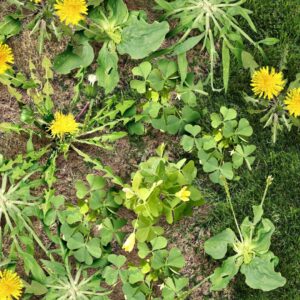
One of the most important principles in weed control science is understanding weed life cycles. Although all weeds compete with turf, they behave very differently depending on how long they live and when they grow. Therefore, treatment strategies must change based on the weed type.
Annual Weeds
Annual weeds complete their entire life cycle in one growing season. First, they germinate from seed. Then, they grow, produce new seeds, and die within the same year. Common examples include crabgrass and chickweed.
Because annual weeds rely entirely on seed production, pre-emergent timing is critical. When germination is prevented, the weed never appears.
Perennial Weeds
Perennial weeds live for multiple years. In addition, they often spread through deep roots, rhizomes, or stolons. Dandelions and clover are common examples.
As a result, perennial weeds require post-emergent control that targets both visible growth and underground root systems.
How Weeds Spread
In addition to rapid growth, weed control science focuses on how weeds spread. Many weeds produce thousands of seeds from a single plant. Meanwhile, others spread underground, which makes them much harder to eliminate without professional treatment.
Weeds commonly spread through:
-
Wind
-
Foot traffic
-
Mowing equipment
-
Soil movement
-
Dormant seeds already present in the soil
For this reason, surface-level treatments often fail. Effective weed control must address both existing weeds and future growth.
Why Selective Weed Control Matters
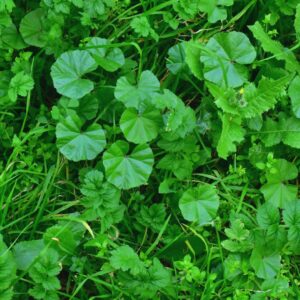
Not all weed control products work the same way. Therefore, selective weed control is essential. Selective treatments target weeds without harming desirable turfgrass. However, achieving this requires precise product selection, correct rates, and proper timing.
Professional weed control science considers:
-
Grass type
-
Weed species
-
Growth stage
-
Temperature and weather conditions
-
Soil activity
Because of this precision, Dr. Green Services uses selective weed control strategies to protect turf health while eliminating weeds.
Pre-Emergent Weed Control Explained
Pre-emergent weed control works by creating a protective barrier in the soil. As a result, weed seeds are unable to germinate. However, pre-emergents do not kill existing weeds. Instead, they prevent new weeds from ever emerging.
Timing is everything. Therefore, applications must be made before soil temperatures reach the germination threshold for target weeds. This scientific timing is one of the main reasons professional weed control consistently outperforms DIY approaches.
Post-Emergent Weed Control Science
Post-emergent weed control targets weeds that are already growing. Specifically, these treatments disrupt essential plant processes such as photosynthesis, growth regulation, or nutrient movement.
However, success depends on several factors:
-
Weed maturity
-
Proper absorption
-
Weather conditions
-
Correct application techniques
If products are applied at the wrong time or rate, effectiveness drops. In some cases, turf damage may even occur.
The Role of Turf Health in Weed Prevention
Although weed control products are important, healthy turf is just as critical. Dense grass naturally shades the soil surface. As a result, fewer weed seeds are able to germinate. In addition, strong root systems outcompete weeds for water and nutrients.
Because of this, weed control science is closely tied to:
-
Aeration
-
Mowing height
-
Water management
That is why Dr. Green Services integrates weed control into a complete lawn care strategy rather than treating weeds in isolation. Lawn seeding science explains how filling thin areas with new grass increases turf density, which naturally limits weed establishment by reducing available space, light, and nutrients.
Why Professional Weed Control Works Better
Professional weed control is built on science, not guesswork. Certified technicians understand weed biology, product chemistry, and seasonal timing. Therefore, treatments can be adjusted throughout the year as weed pressure changes.
Dr. Green Services combines:
-
Scientific weed identification
-
Targeted applications
-
Proper timing
-
Ongoing monitoring
As a result, customers see longer-lasting control and healthier lawns.
Weed Control Science in Action
Ultimately, weed control is not about a single treatment. Instead, it is an ongoing process that evolves throughout the season. By applying weed biology science at every stage, long-term control becomes achievable.
Dr. Green Services uses weed control science to stop weeds at the source. As a result, turf stays thicker, healthier, and more resistant to future weed growth.
Hear What Our Happy Customers Have to Say!
For a Limited Time
Get Started Today and Enjoy Our Special Offer: Free Grub Control, Free Aeration, Free Fungicide, and Free Turf-Damaging Insect Control! Plus, Save 10% When You Prepay!
Your Local Lawn Care Experts
Dallas-Fort Worth
Address
3333 Earhart Dr., Suite 200
Carrollton, TX 75006
Phone Number
1-800-465-2934
Ready to elevate your lawn care game?
Get a free quote today.